Lead follow-up5 min
How Quickly Should You Follow Up a Lead? (And Why Most Companies Get It Wrong)
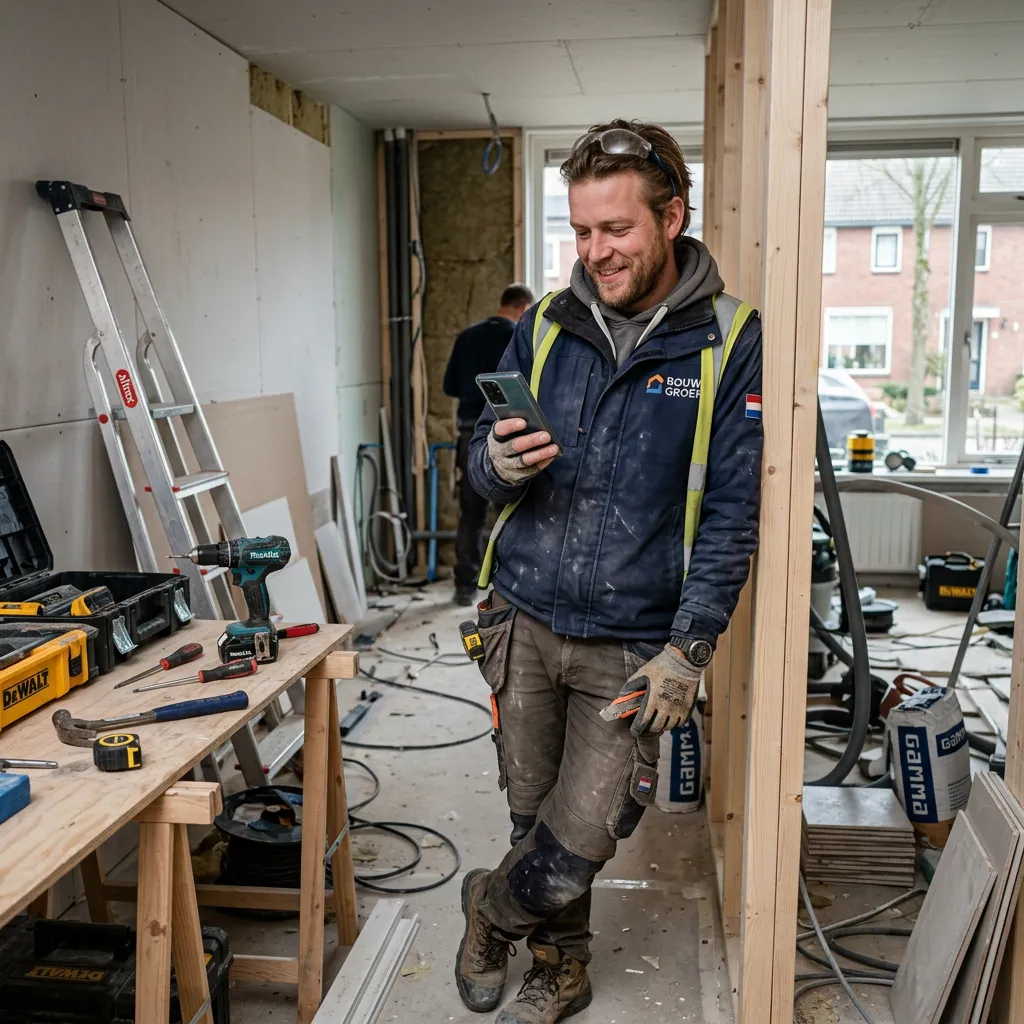
You're out on a job. Meanwhile, someone has submitted a request via a comparison site or your own website for new windows, insulation or an air conditioning system. That lead expects a response.
But you're at work.
Three hours later you check your phone. You see the request. You call — no answer. You send a message. No reply.
The lead has already submitted enquiries to two other companies. One of them has already called back.
You've missed the boat.
This scenario plays out every single day for hundreds of installation and renovation companies. Not because they deliver poor service. But because they respond too late — at the exact moment when there's still something to win.
The hard facts about lead follow-up speed
Let's start with the numbers, because they don't lie.
78% of customers buy from the company that responds first. Not the cheapest. Not the one with the most reviews. The one that makes contact first.
You're 7x more likely to convert a lead if you respond within an hour compared to responding after 24 hours. Yet only 37% of companies manage that.
Wait even longer? Then it gets really painful. The average response time of companies that do respond at all is 42 hours. By that point, an active lead has long since made a decision.
And the most confronting statistic of all: 80% of B2B leads are never followed up. Never. They come in and disappear into the void.
Why speed makes such a big difference
A lead is not a static thing. It's a moment in time.
At the moment someone submits a request, their intent is at its peak. That person has just actively decided: I want this sorted. Their attention is fully focused on this problem. They're waiting for input.
Every minute that passes, that intent cools. They scroll on. They do other things. They get a callback from a competitor. Their mind moves to the next item on their to-do list.
After a few hours, they may still be interested, but you have to convince them all over again. You start at a disadvantage.
After a day? You literally have to remind them why they submitted the request in the first place.
The window in which a lead is easiest to convert literally lasts minutes to an hour.
What it looks like in practice for installation companies
Imagine you run an insulation company. You have a campaign running via a comparison platform. Every day you receive 5 to 10 requests.
You and your colleagues are on site during the day. Nobody is actively monitoring the inbox. At the end of the working day you call back the requests — on average 6 to 8 hours later.
Of those 10 leads, you reach 4 directly. The other 6 don't answer. You send a message to most of them. Two reply.
Conversion rate: 20 to 30% if you're lucky.
Now flip it. Every lead gets a personalised WhatsApp message within 5 minutes: "Hey [name], I saw your request come in for insulation. Do you have a moment? I'll quickly schedule an appointment that works for you."
The lead is still sitting on the sofa with their phone in hand. They reply. Within 10 minutes an appointment is in the diary.
No phone tag. No missed opportunities.
The three mistakes companies make with lead follow-up
1. Responding too late
Most companies only respond at the end of the working day, or the next day. That feels efficient — you call everything back in one go. But for the lead, it's far too late.
The solution isn't working harder — it's setting things up smarter. Automated follow-up ensures every lead gets a first response within minutes, even when you're up on the scaffolding.
2. Following up via email or phone only
Email has an average open rate of 20 to 30%. WhatsApp? Around 95%. If you want to reach a lead at the moment that counts, you need to use their preferred channel.
In the UK, over 40 million people use WhatsApp regularly. Following up a request via WhatsApp isn't just faster — it feels more personal and direct.
3. Scheduling the appointment too far ahead
This is a blind spot that many companies miss. You've got a lead on the line, you schedule an appointment — but it's 3 or 4 days away. Meanwhile, that same lead is still comparing two other providers. One of them has a slot tomorrow morning.
The best appointments are same-day or next-morning. The shorter the time between first contact and appointment, the greater the chance the lead actually shows up.
So what's the ideal response time?
Short answer: as fast as possible, but within 5 minutes for the first point of contact at the very latest.
That sounds ambitious if you have a small team or you're on site during the day. But it doesn't have to be manual. With the right automation, your system sends a personalised WhatsApp message to every new lead within seconds — while you simply carry on working.
Companies that set this up see in practice:
- Significantly higher conversion rates from the same leads
- Less time spent calling and returning calls
- Fewer no-shows at appointments
- An earlier position in the decision-making process than competitors
Practical tips to speed up your lead follow-up
1. Make sure every lead gets a first response within minutes For a busy installation or renovation company, that's not achievable without automation. You can't step off the scaffolding for every request. A system that handles it for you isn't a luxury — it's the only realistic way to be consistently fast.
2. Use WhatsApp as your primary follow-up channel Calling still has value, but a first message via WhatsApp shows the lead you're active. That sets the tone.
3. Schedule appointments as early as possible Send a calendar link straight away in that first contact. The sooner the appointment, the higher the chance the lead follows through.
4. Automate the first follow-up step You don't have to do everything manually. Software that automatically sends a WhatsApp message for every new request delivers consistent speed — even outside business hours.
5. Follow up with structure One message isn't enough. A good follow-up sequence sends multiple touchpoints over several days — automated, but feeling personal.
Conclusion: speed isn't a detail, it's the strategy
Many companies invest thousands of euros per month in bringing in leads via advertising or comparison platforms. And then leave most of the money on the table in the follow-up.
The lead is there. The intent is there. The only thing missing is a system fast enough to respond.
Whoever responds first wins the customer. That's not marketing theory. That's what the data confirms time and time again.
Want to know how AppointPilot automates your lead follow-up via WhatsApp, so every lead is followed up within minutes? See how it works via our video or send us a message.
AppointPilot helps renovation and installation companies automatically follow up leads via WhatsApp — so you can focus on the work while no enquiry ever gets lost.